
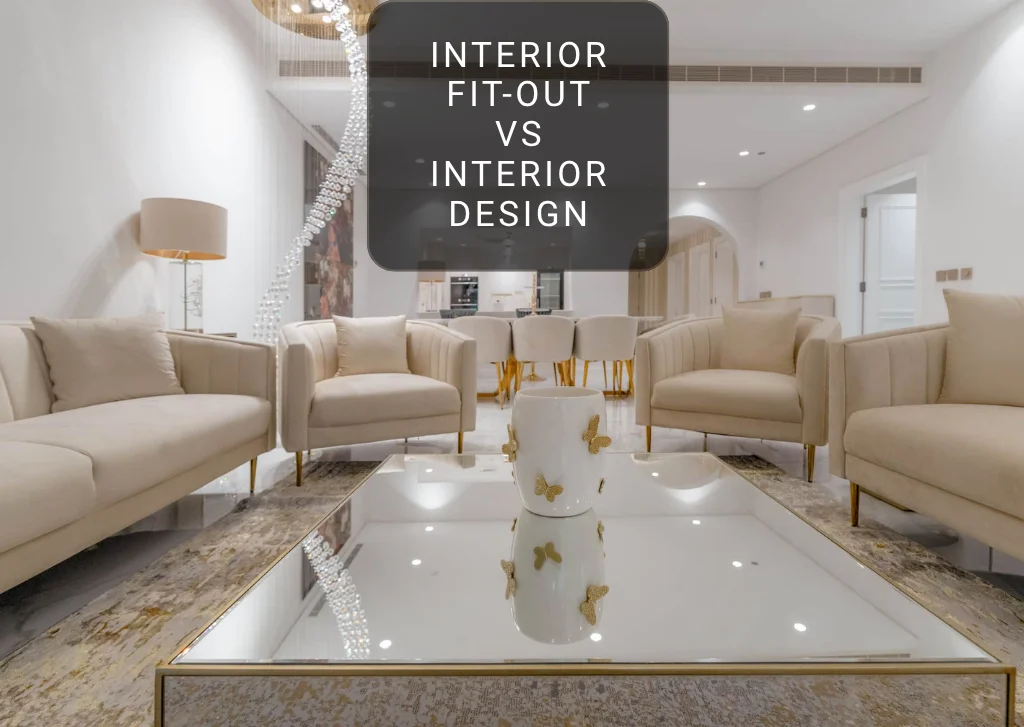
Many people are confused between interior design and interior fit-out, especially when planning a villa, office, retail shop, or restaurant in Dubai. Interior design focuses on planning how a space will look, feel, and function, while interior fit-out focuses on physically building and completing that space.
In simple terms, the designer creates the vision and specifications, while the fit-out team turns those plans into a usable interior.
Understanding Interior Fit-Out vs Interior Design before starting a project can help you choose the right service, set a realistic budget, and avoid gaps between design and construction. In some projects, you may need only a designer or fit-out contractor, while larger renovations and new commercial spaces often require both.
The sections below explain exactly what each service covers, how they work together, and which option makes sense for your Dubai project.
What is Interior Design?
Interior Design vs Interior Fit-Out starts with the planning and creative side of a project. Interior design combines space planning, user needs, lighting, colours, materials, furniture, finishes, comfort, and visual identity. That is why Interior design vs interior decoration is not the same thing; decoration mainly affects appearance, while design also solves circulation and usability problems.
A designer may prepare layouts, mood boards, 3D views, material schedules, furniture selections, lighting concepts, and drawings. Confirm which technical, sourcing, and site services are included because design packages vary. Good design gives the project a clear direction before major construction spending begins.
What is Interior Fit-Out?
Interior Fit-Out vs Interior Design also becomes clearer when fit-out is treated as the physical and technical delivery stage. Depending on the property’s condition and contract, it can include partitions, ceilings, flooring, joinery, painting, lighting, electrical work, HVAC, plumbing, fixed furniture, signage, and finishing. The interior fit-out meaning is therefore broader than installing decor.
A fit-out contractor also coordinates trades, sourcing, site conditions, lead times, and buildability. For example, a feature ceiling must leave room for ducts, cables, lighting equipment, and maintenance access. Good execution identifies these practical conflicts before they become expensive changes.
Types of Fit-Out — Shell & Core, Cat A, Cat B, and Turnkey
- Shell & Core is the base-building condition, with the main structure and core infrastructure in place but the occupier’s interior largely undeveloped
- Cat A provides the basic internal platform
- Cat B adds occupier-specific partitions, layouts, finishes, furniture, and branding
- Turnkey means one provider takes responsibility for an agreed end-to-end package that may include design, sourcing, construction, installation, and handover
Interior Fit-Out vs Interior Design: A Side-by-Side Comparison
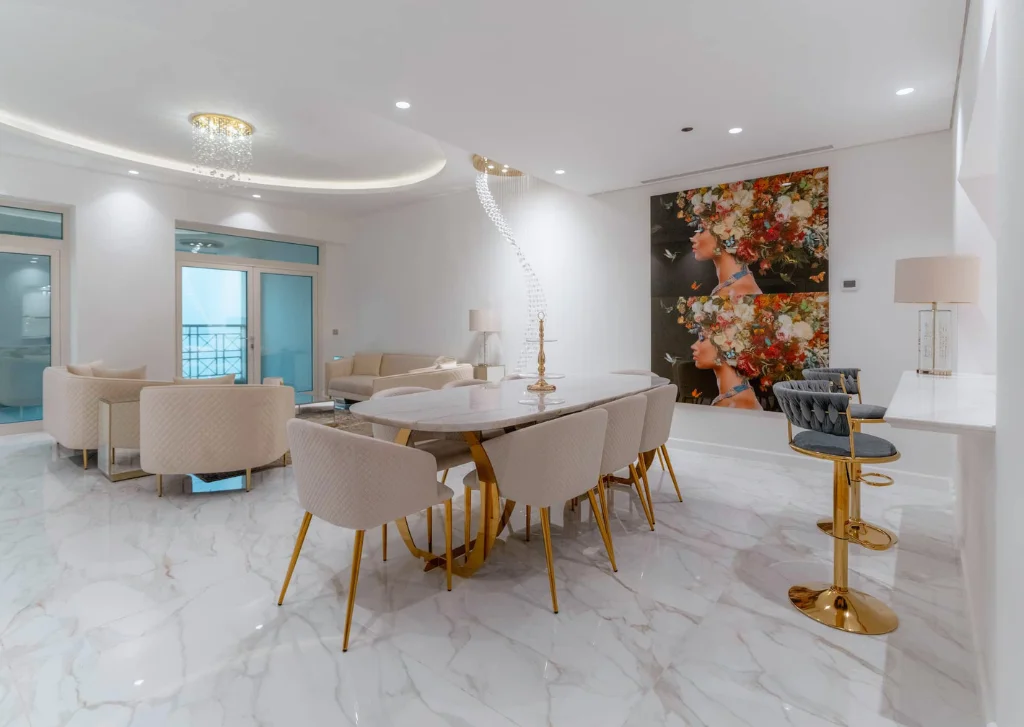
Interior Fit-Out vs Interior Design is easiest to understand by comparing responsibility, cost, timing, and output.
The Difference between interior design and fit-out is not simply “creative versus technical.” Some designers also manage implementation, while some contractors have in-house designers. The important question is who owns each deliverable and the final result.
How Interior Design and Fit-Out Work Together
Interior Fit-Out vs Interior Design works best as a coordinated process. The designer establishes the brief and visual direction, while the execution team checks dimensions, service zones, fixing methods, lead times, and installation. This approach makes the concept more buildable.
Early coordination can prevent rework around ceilings, MEP, joinery, lighting, and technology. For Interior fit-out vs interior design Dubai projects, landlord rules, approval processes, restricted access, and long-lead materials can make early coordination even more important.
Which One Do You Need — Design, Fit-Out, or Both?
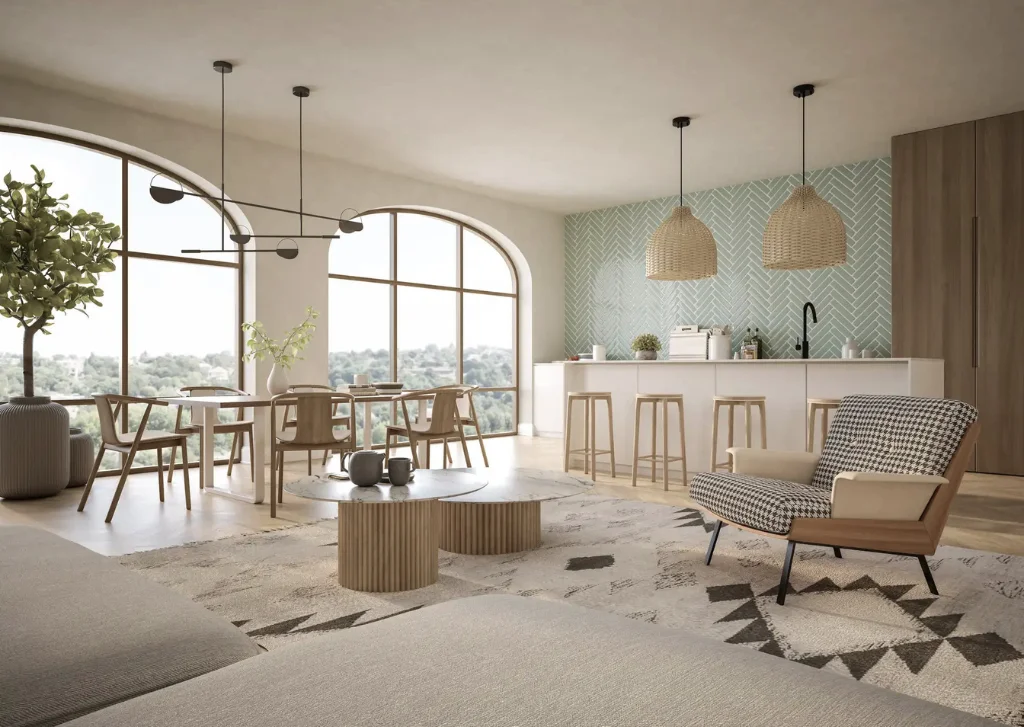
Choose design when the main decisions are still about layout, appearance, materials, furniture, lighting, branding, or user experience. Choose fit-out when the design is sufficiently defined, and you mainly need construction, installation, coordination, finishing, and handover. Choose both when the project requires major design development and physical transformation.
A working office may need a new layout and identity, while a bare retail unit may need extensive construction. The question “Which is better, interior design or fit-out?” has no universal answer. Interior design vs fit-out vs renovation also needs care because renovation may involve alteration, while fit-out focuses on completing or adapting an interior.
Do You Need Approval for Interior Fit-Out in Dubai?
Yes, fit-out work in Dubai can require permits, NOCs, approved drawings, inspections, and completion procedures, depending on the property and scope. Dubai Development Authority has fit-out permit and completion processes, while DEWA has requirements for applicable electrical fit-out connections.
Do not assume every property follows the same route. Requirements depend on the authority, landlord, building management, and type of work; structural changes or changes of use may require additional approvals. Dubai’s Building Code also sets health, safety, welfare, and sustainability requirements.
Interior Design Trends Shaping Dubai in 2026
Interior Fit-Out vs Interior Design also matters when choosing trends that can actually be delivered. Dubai’s interiors are moving toward warmer, more personal spaces, with natural materials, wellness, regional character, and smart technology becoming more prominent.
- Warm minimalism: Softer neutrals, layered textures, and calmer forms
- Modern Arabic influence: Regional identity blended with contemporary design
- Biophilic and wellness-led spaces: Daylight, greenery, natural materials, and comfort
- Curves and tactile finishes: Softer shapes, textured surfaces, natural stone, and warm wood
- Smart integration: Smart technology automation, AV, and lighting
- Flexible workplaces: Collaboration areas, focus spaces, and adaptable layouts
- Personalised luxury: Bespoke details, craftsmanship, and durable materials
A trend only adds value when it works operationally. It still needs MEP coordination, maintenance access, durability, and a realistic installation method.
How to Choose the Right Interior Design or Fit-Out Company in Dubai
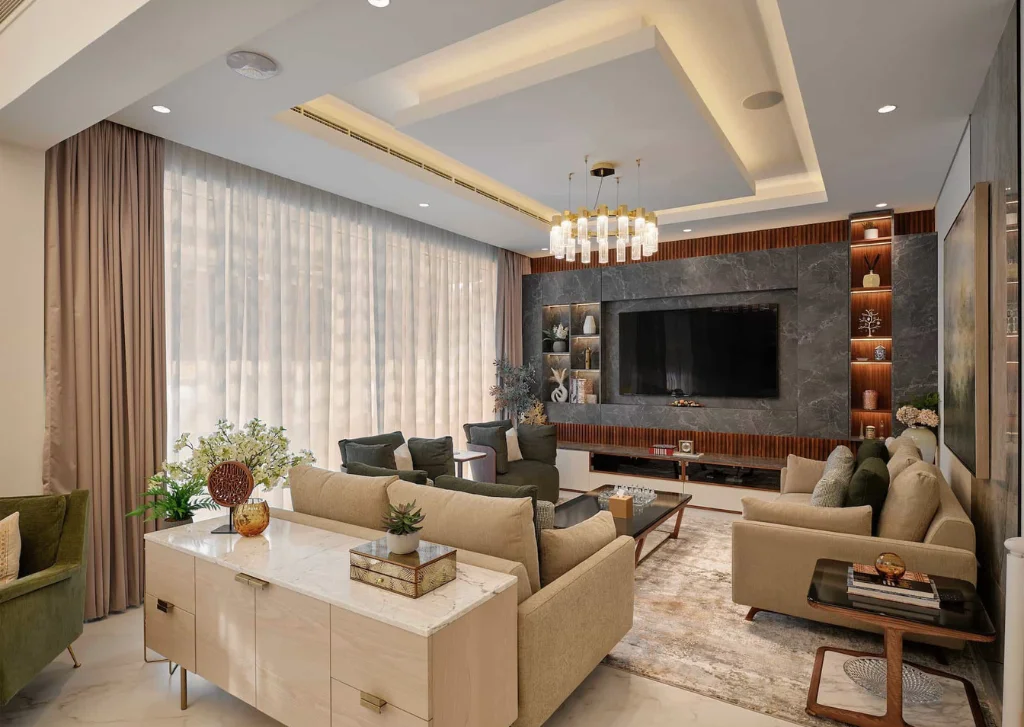
For the Interior designer vs fit-out contractor decision, focus on actual scope rather than the company’s title or portfolio alone. Interior Fit-Out vs Interior Design should be evaluated through clear responsibilities, not attractive renderings alone. Ask the provider:
- What is included? Confirm design, drawings, MEP, sourcing, joinery, installation, approvals, final inspection, and handover
- Who owns coordination? Identify who is responsible when design, landlord, authority, and site requirements conflict
- Can they prove similar experience? Review comparable completed projects
- What is excluded? A low quotation can become expensive when MEP changes, specialist finishes, furniture, or permits sit outside the price
- How are changes handled? Confirm how variations are priced and approved
- What happens after completion? Check final inspection, defects, warranty, testing, and handover responsibilities
For UAE projects, local approval knowledge matters because permit, NOC, inspection, and completion requirements vary by jurisdiction. Compare the same scope, specifications, exclusions, programme, and responsibilities rather than choosing only the lowest price.
Atech Interiors LLC is a trusted choice for interior design and fit-out services in Dubai, helping clients manage their projects with professional expertise from design through execution.
Conclusion: Making the Right Choice for Your Project
Interior Fit-Out vs Interior Design is ultimately a question of project readiness and responsibility. Design establishes the space and visual solution, while fit-out provides the construction, coordination, installation, and completion needed to make it usable. Connecting both early helps catch technical and budget problems before site work.
Before signing, ask what is already designed, what still needs designing, and exactly what the appointed company will build, supply, approve, test, and hand over. Those answers show whether you need one service, both, or an integrated provider. The result should be a space that is not only attractive, but also practical, compliant, maintainable, and ready for real use.
FAQs – Frequently Asked Questions
1. Can one company handle both design and fit-out?
Yes. One provider can combine design, sourcing, construction, and handover. The contract should still define the exact services and responsibilities.
2. What’s the difference between an Interior Designer and a Fit-Out Contractor?
An interior designer mainly develops layout, appearance, materials, lighting, furniture, and user experience. A fit-out contractor mainly executes physical works, coordinates trades and services, and delivers the completed interior.
3. Is it cheaper to hire one company for both design and fit-out, or two separate firms?
Neither is automatically cheaper. One company may reduce coordination, while separate firms can offer more independence. Compare total scope and risk, not only the initial fee.
4. Who handles structural changes, electrical, plumbing, and AC work — the designer or the fit-out company?
The fit-out team normally coordinates and executes these works, while the designer provides the relevant design information. Structural changes or service modifications may require engineering and additional approvals, so define responsibility in the contract.
5. Is the interior design fee included in a fit-out package, or charged separately?
Either is possible. Some turnkey providers include design, while others charge separately. Check whether drawings, revisions, material selection, authority-related work, and site support are included.